41. The Poetry of Laurier Tiernan: 'Fifty-Five Ways to Survive' Read & Discussed With the Poet!

Subscribe to The Elixir Poetry Podcast newsletter!

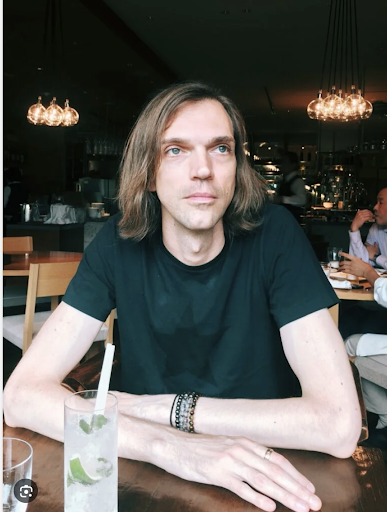
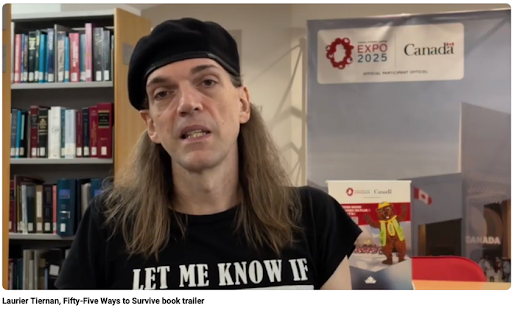
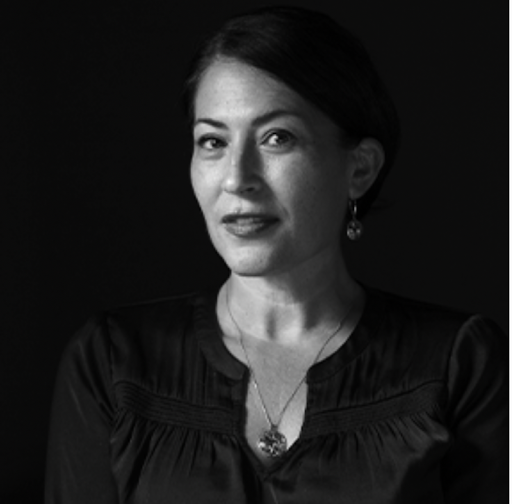
Poet Laurier Tieran

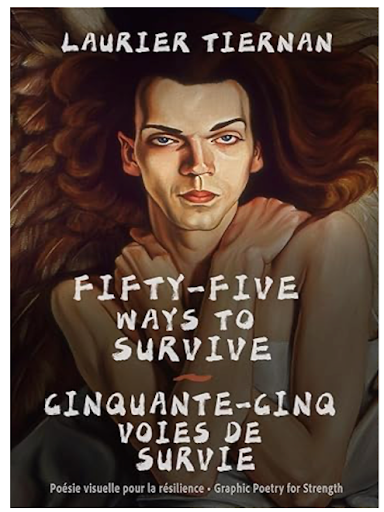
In this episode of Elixir, Helen is talking to Laurier Tiernan about his poetry book Fifty-Five Ways to Survive, Cinquante-cinq voies de survie (Poésie visuelle pour la résilience | Graphic Poetry for Strength | English and French. En français et en anglais)

Original music by Tom Platts accompanies the readings.

Listen Now

Text of the poem:

Text of the poems:

IN CASE OF (FIRE)

In case of fire

Break every window

Pull out support beams and

Piss on the ashes then

Toss all your clothing into

The inferno

Along with ID:

We are not going

Backward


EN CAS D’INCENDIE

En cas d’incendie

Cassez toutes les fenêtres

Retirez les poutres et pissez sur

Les cendres puis

Jetez votre linge dans

Le brasier

Ainsi que votre carte d’identité :

On n’fera pas

Marche arrière


JUSTIFIED

Maiming flesh of

Age-old trees to

Scar it with odd

Flecks of ink

Never quite feels

Justified but

Somehow

Justifies

My life


JUSTIFIÉ

Mutilant la chair d’arbres

Pour la tacher de mouchettes d’encre

Ne paraît pas

Justifiable mais

Semble

Justifier

Ma vie


EXCEPTIONS

Born a sissy

Bravado comes hard but

Wartime squeezes

The crazy right out and

Circumstance leads me to

Make an exception and

Tell you that queer kids shall

Dance on the innards of

Forces hell-bent on

Erasing their

Spirits


EXCEPTIONS

Né efféminé

La bravade m’est rétive mais

En temps de guerre

La folie jaillit vite et

Les circonstances mènent

Aux exceptions pour

Que je prophétise que les enfants queer

Danseront sur les tripes des

Forces acharnées sur

L’effacement de leurs

Esprits


LETTING GO

I’ve come too far to turn back now

I’ve come too far to just give up

And when I’m feeling empty

An angel always fills my cup

Then my blood reveals a rose

On the path to fame lined with bones

And the only road to growth is

Letting go

I had to stretch myself so far

I felt my skin become so thin

But even when I felt it break

I never wanted to give in

For the few times I changed course

Were the only ones where I lost hope and

The only road to growth is

Letting go

I’m questioning all that I think I know

And paling in comparison to gold

I’m losing my resistance to the cold

But there’s a feeling in my soul

When I start to lose sight of my goals

That the only road to growth

Is letting go


LÂCHER PRISE

Je n’peux plus faire de demi-tours

Et encore moins abandonner

Car, quand mon âme est vide

Un ange m’aide à faire le plein

Et mon sang révèle une rose

Sur un chemin d’or jalonné d’os

Et la seule voie de survie

Est d’lâcher prise

J’ai eu besoin de m’étirer

Au point que ma peau devint mince

Mais même quand elle s’est fendue

J’ai pas tenté de me soustraire

Car le fait de changer d’cible

M’a fait oublier où il faut que j’vise

Et la seule voie de survie

Est d’lâcher prise

Faut questionner tout c’que l’on croit savoir

Quand on ne vaut pas son propre poids en or

J’ai perdu toute ma résistance au froid

Mais je soupçonne dans mon esprit

Quand je perd de vue mes objectifs

Que la seule voie de survie

Est d’lâcher prise


YOU

I crawl now from the wreckage

Constructed by myself

A stage set I erected when

I knew not I was blessed

I leave it all behind now

To start my life anew and

Glowing in the distance

All I can see is

You

You oversaw the drafting of

All the master plans and

I am told that all of this sits

Squarely in your hands and

Never for a moment

Did I doubt that this was true for

Ever since I first drew breath

I only reached for

You


VOUS

Je rampe maintenant de l’épave

Construite par moi-même

Une scène que j’ai érigée

Tandis que j’ignorais mes privilèges

Je laisse tout cela derrière moi

Pour naître de nouveau

Et brillant dans le lointain

Tout ce que j’puisse voir c’est

Vous

Vous surveillâtes la rédaction de

Tous plans directeurs et

On me dit que tout cela repose

Entre vos mains et

Je n’ai point douté de

La véracité de ces propos car

Depuis mon tout premier souffle

Je n’ai cherché que

Vous

CEMENTED


I come now for the secrets that

They hid from the people

On top of which they built

Their empire’s holy house

I come now for the laws that

Bind us all together

Since they did their best to

Ensure all faith was lost


I call upon The Watchers who

Never stood behind them and

Who have never ceased to

Stand guard over me

I solemnly proclaim that

Their days are now numbered

Cemented in this cycle

Just like the rising seas


CIMENTÉS

Je lève le voile sur les secrets

Qu’ils ont cachés au peuple et

Sur lesquels ils ont construit

Le temple de leur empire

Je dévoile les lois

Qui nous lient tous ensemble

Puisqu’ils ont fait de leur mieux pour

S’assurer qu’on perde toute foi

J’en appelle aux anges gardiens qui

N’ont jamais sout’nu ces types

Et qui n’ont jamais cessé

De veiller sur moi

Je proclame solennellement que

Leurs jours sont comptés

Cimentés dans ce cycle comme

Le niveau des mers

Montant


About Laurier Tiernan:

Laurier Tiernan is a multidisciplinary Canadian artist living in Tokyo. Their songs have been broadcast by one hundred radio stations. On August 15th, 2025, Durvile Publications will release their first poetry book, Fifty-Five Ways to Survive.

And, Tiernan hosts the weekly Tiernan depuis Tokyo; on CKRP radio, in Canada.

For more information, please contact them directly.

Cell: +81 (0)90 4177 0405
Email: laurier.tiernan@gmail.com

Laurier Tiernan (@laurier_tiernan_writer)

Laurier would be very happy if you leave a review on Amazon!

Take Me To The Episode

40. “I Always Followed My Internal Compass”. Carlotta Reads Puerto Rican Poet Julia de Burgos in Spanish & English

Subscribe to The Elixir Poetry Podcast newsletter!

In this episode of Elixir, Helen is talking to Carlotta about the poem ‘Yo misma fui mi ruta’ by the Puerto Rican poet Julia de Burgos (1914-1953)

Carlotta and Helen explore themes of identity, belonging, and the personal connection she feels to the poem having travelled to Latin America from the UK before moving to Madrid with her partner. The conversation delves into the significance of following one's internal compass and the impact of our surroundings on personal choices. They also discuss the challenges of translation. In this case, Spanish to English.

Original music by Tom Platts accompanies the readings.

Want to hear more about this story?! Listen to episode 28. The Poem of Cuban Liberation with Raycel (& How Love Took Him Across The World)

Listen Now

Text of the poem:

Yo misma fui mi ruta


Yo quise ser como los hombres quisieron que yo fuese:
un intento de vida;
un juego al escondite con mi ser.
Pero yo estaba hecha de presentes,
y mis pies planos sobre la tierra promisoria
no resistían caminar hacia atrás,
y seguían adelante, adelante,
burlando las cenizas para alcanzar el beso
de los senderos nuevos.

A cada paso adelantado en mi ruta hacia el frente
rasgaba mis espaldas el aleteo desesperado
de los troncos viejos.

Pero la rama estaba desprendida para siempre,
y a cada nuevo azote la mirada mía
se separaba más y más y más de los lejanos
horizontes aprendidos:
y mi rostro iba tomando la expresión que le venía de adentro,
la expresión definida que asomaba un sentimiento
de liberación íntima;
un sentimiento que surgía
del equilibrio sostenido entre mi vida
y la verdad del beso de los senderos nuevos.

Ya definido mi rumbo en el presente,
me sentí brote de todos los suelos de la tierra,
de los suelos sin historia,
de los suelos sin porvenir,
del suelo siempre suelo sin orillas
de todos los hombres y de todas las épocas.

Y fui toda en mí como fue en mí la vida…

Yo quise ser como los hombres quisieron que yo fuese:
un intento de vida;
un juego al escondite con mi ser.
Pero yo estaba hecha de presentes;
cuando ya los heraldos me anunciaban
en el regio desfile de los troncos viejos,
se me torció el deseo de seguir a los hombres,
y el homenaje se quedó esperándome.


Source


Translation of the Poem


I Myself Was My Route

I wanted to be as men wanted
that I was: an attempt at life;
a game of hide-and-seek with myself.
But I was made of presents,
and my feet, flat on the promising land
they couldn't resist walking backwards,
And they kept going, going,
mocking the ashes
to reach the kiss of the new paths.

At every step forward on my way to the front
the desperate flapping of wings tore my back
of the old logs.

But the branch was broken forever,
and with each new lash my gaze grew further apart
and more and more of the distant horizons learned:
and my face was taking the expression that came
from within, the defined expression that appeared
a feeling of intimate liberation;
a feeling that arose from the sustained balance
between my life and the truth of the kiss of the new paths.

Already defined my course in the present,
I felt myself sprout from all the soils of the earth,
of soils without history, of soils without a future,
from the ground always ground without edges
of all men and of all times.

And I was all in me as life was in me...
I want to be as men wanted me to be:
an attempt at life; a game of hide-and-seek with myself.
But I was made of presents;
when the heralds announced me
in the royal parade of old trunks, my
desire to follow men,
and the tribute was waiting for me.


Source


About the poet: 

https://en.wikipedia.org/wiki/Julia_de_Burgos

https://ciudadseva.com/texto/yo-misma-fui-mi-ruta/

https://www.poetryfoundation.org/poets/julia-de-burgos

YouTube video

Take Me To The Episode

39. Gaza ‘My Motherland’ & The Therapy of Writing Poetry with Rana

Subscribe to The Elixir Poetry Podcast newsletter!

In this moving episode, Helen talks with Rana, a teacher and poet from Gaza, who shares her heartfelt poem“My Motherland.” Written during her first journey away from home, the poem captures her love and longing for Palestine.

Listen Now

Text of the poem:

🌾 حين أغمضتُ عيني


حين أغمضتُ عيني،

رأيتكِ في كل حين،

لا أستطيع نسيان تلك اللحظات

التي كنتُ فيها معك.


وحين أبقى بعيدًا عنك،

أشتاق إليك كلَّ يوم،

ولا أجدُ الكلمات التي تقول

كم أحبكِ يا وطني.


يا وطني الحبيب،

كم أحبك!

كيف أعيش حياتي

بعيدًا عنك؟


حين أرى دموعك،

وحين أسمع صرخاتك،

لا أستطيع أن أتوقف عن القتال

من أجل أرضك.


إن نظرتَ من حولك،

سترَ الأمهاتِ يبكين،

وستسمع أنين الأطفال

في وطني.


القتلة يجوبون المكان،

يبحثون عن فرصةٍ أخرى

ليسفكوا الدماء،

في كل مكان…

في كل مكان.


يا وطني الحبيب،

كم أحبك!

كيف أعيش حياتي

بعيدًا عنك؟


حين أرى دموعك،

وحين أسمع صرخاتك،

لا أستطيع أن أتوقف عن القتال

من أجل أرضك.


Translation of the Poem


My Motherland


When I just close my eyes,

I will see you all the while.

I can never forget the time

Where I’m with you.


When I stay far away,

I miss you every day.

I can never find the words to say

How much I love you.


Oh, my mother land,

How much I love you.

How can I live my life

Far away from you?


When I see your tears,

When I hear the cries,

I just can’t stop fighting

For your land.


If you have a look around,

You will see mothers cry.

You will hear the torture of children

In my land.


Killers going all around,

Trying to find another chance

To shed the blood

All around,

All around.


Oh, my mother land,

How much I love you.

How can I live my life

Far away from you?


When I see your tears,

When I hear the cries,

I just can’t stop fighting

For your land.

Take Me To The Episode

38. Uber Driver, Actor, and Writer: Sunny Patel's Poems About People

Subscribe to The Elixir Poetry Podcast newsletter!

In this episode of Elixir, Helen is talking to Sunny about his own poems. 

Listen Now

Go Fish


Everybody's fishing for pennies

if only the water can bear money.

Though every river, does have bank,

instead of notes, it’s full of stones, 

that are wet, cold, and grow miserably old.

Yet cash always smiles, 

knowing we humans, are wildly mild,

so, the Queen’s pretty face,

grins and beguiles,

knowing that she, can't ever be found

spreading her legs, in these washed-up towns.

So, while we look to the puddles and ponds,

and the gaps and holes in our couch,

if only we knew how strange we look,

frowning and drowning for a pound.


What about Hope

Are you looking for hope?

I hope not.

She's not here.

Here lies her grave,

a great ending to a boring life,

a life with no money, 

just her teeth and her smile,

smiling with parted lips,

lips not kissed in a while,

while she slaved all day.

Day turned into dark,

the dark led her to a club,

and she partied hard,

until it was hard to leave,

leaving 4am in the morning,

mourning the parting,

with her loud little friends,

friends who drove her home,

home to a house,

that she didn't like to live in,

but in it she lived, 

and lived the same death,

everyday.


Smoke Weed anyway

Smoke weed anyway, try your best to get laid,

do a nice job, so you end up getting paid,

go out with your mates, order a burger on a plate,

have yourself a fag, roll a blunt anyway,

then you hustle at the office, rock up at the gym,

work on your abs, put your litter in the bin,

then you take out your pen,

write about your day.

Every day is the same. Smoke weed anyway

Now don't jump queues, be respectful,

take off your shoes, my home is a temple,

doesn't really matter, if you're happy or you’re blue,

pour yourself a drink, have a zoot or two.

Then you wake up next morning, have a cup of tea,

go do your shopping, get yourself a bag,

check out your emails, switch off your phone,

chill by the river, take a nice walk home.

Then you take out your pen,

write about your day.

Every day is the same. 

Smoke weed anyway

Now you need some money, borrow it from your dad,

your auntie's dead, and your mum's kinda sad,

but you don't really care, cos you never really liked her,

just to be nice, you pretend to feel bad,

then you meet this girl that you really liked,

you missed your chance, she's with another guy,

you messed it up, because you're always high,

then you go to bed, have a wank or cry.

Then you take out your pen,

write about your day

Every day is the same. 

Smoke weed anyway

You wake up next morning.

You’re kinda depressed.

You smoke too much, should you give it a rest?

But my brain says no, and heart says no,

Life is tough, just smoke some dope.

It’s either that or you kill yourself.

Then you get on the train,

Tell the commuters about your day.

Every day is the same.

Smoke weed anyway.

Me, Myself and I

My name is Sunil. I wrote this poem at 35,

but time flies, and this poem’s edited at the age of 39.

I am the same as before, 

naive and a knave, neither rich or poor,

a minimalist to the core,

insanely boring, but less is more.

Socialising is a chore,

so my therapist is a wall.

I’m 5 ft 9

and 3 inches short,

too well behaved,

never been to a court.

My childhood dream,

was to be a monk

to do fuck all,

and sit on a wall. 

I grew up on benefits,

Never did me any benefits.

I went to schools,

run by crooks, cool and cruel.

Did many jobs,

not needing a tool.

Raised as a Hindu,

confused for an Arab,

A clown in reality,

but I dress like a spook,

read many books,

but I still can’t cook.

Now I’m a driver.

From Kilburn to Croydon

toxic women.

Like potholes, I avoid ‘em.

I don’t know where I’m going

but I keep on running.

I might be on the wrong road

But, fuck it,

life is a race,

A rower should keep rowing.

About the poet:

Sunny Patel 

Actor / Voice Actor

SunnyPatelVoice@gmail.com

Take Me To The Episode

37. ‘How to Triumph Like a Girl’ by Ada Limón read by Dawn McMahon

Subscribe to The Elixir Poetry Podcast newsletter!

In this episode of Elixir, Helen is talking to Dawn McMahon about the poem ‘How to Triumph Like a Girl’ by Ada Limón (1976-). 

Listen Now

Text of the poem:


How to Triumph Like a Girl

by Ada Limón

I like the lady horses best,
how they make it all look easy,
like running 40 miles per hour
is as fun as taking a nap, or grass.
I like their lady horse swagger,
after winning. Ears up, girls, ears up!
But mainly, let’s be honest, I like
that they’re ladies. As if this big
dangerous animal is also a part of me,
that somewhere inside the delicate
skin of my body, there pumps
an 8-pound female horse heart,
giant with power, heavy with blood.
Don’t you want to believe it?
Don’t you want to lift my shirt and see
the huge beating genius machine
that thinks, no, it knows,
it’s going to come in first.


About the poet: 

https://adalimon.com

https://poets.org/poem/how-triumph-girl

https://www.poetryfoundation.org/poets/ada-limon

Take Me To The Episode

35. Meron Berhanu’s Poetry From The Ethiopian Diaspora

Subscribe to The Elixir Poetry Podcast newsletter!

In this episode of Elixir, Helen is talking to Meron Berhanu about her poetry. Meron is from London with Ethiopian heritage.

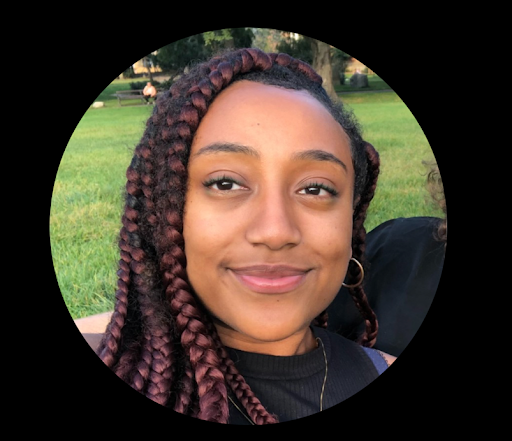
Meron Berhanu

Listen Now
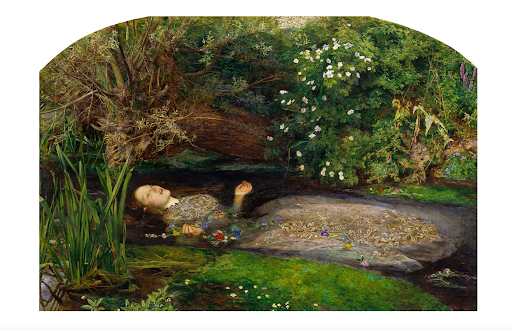
ophelia

by Meron Berhanu

Take Me To The Episode

Alien

Green backpack, loaded with her life.

A tiny woman standing underneath a building –

So colossal in its whiteness

it must have a heartbeat.

The gravity of the red white and

blue weigh down her footsteps, pulls

her into its orbit. Her motherland is not

a place anymore. It is something she carries –

a wound she tends to, every night.

But right now, she is here. 

In this country, in this embassy –

in front of a man behind a screen and 

says I’m ready to live. In which she means –

I want to prove that I can. 

by Meron Berhanu


https://www.bedfordsquarereview.com/meron-berhanu

by Meron Berhanu

34. Chinese Poet Han Dong Reads His Own Poetry! With Translator Nicky Harman

Subscribe to The Elixir Poetry Podcast newsletter!

In this episode of Elixir, Helen is talking to the translator Nicky Harman about the Chinese poet Han Dong (1961-)

Han Dong

Listen Now

The poems:


绿树、红果

我不在的时候绿树在那里

然后我走过了它

然后绿树的前面还有绿树

树杈中间有太阳

我直视太阳,此刻

它就像红果

因此整个园子都成了果园

一些足音纷至沓来

嗡嗡的人声议论着生活

人影如虫蠓盘旋、聚集

金星如一滴大大的清凉的眼泪

我仍然在那里

红果已经消失

绿树失色

Green Tree, red fruit 

The green tree was there before i was
Then i walked past it
Then ahead of the tree, there were more green trees 

Between the forked branches was the sun 


I looked right at the sun. Just then

It was like a red fruit

and so the whole garden became an orchard


a flurry of footsteps came

a buzzing of voices debated life

people’s shadows circled, gathered like gnats

The evening star, a great cool teardrop


I am still there

The red fruit gone

The green trees dulled


…………………..


工人的手 

他悬挂在高楼上

抓着墙的手纹丝不动

我觉得是女人就应该爱上这只手

就应该接受它的抚摩

是男人就应该有这样的手

结实、肮脏,像吸盘肉垫

是女人就应该做那面墙

降低一些吧

最好躺下

是男人就应该死死地抓住那女人

浑身大汗淋漓,但手不出汗

心不跳,腿也不抖

如果是个恋物癖就这样恋吧

工人的手也是最棒的工具


The Worker’s hand 

He hangs suspended from the building
The hand that grips the wall is motionless
a woman should fall in love with that hand 

Should receive its caresses
a man should have a hand like this
Strong, grimy, like a fleshy sucker pad
a woman should be that wall
drop down a bit, or better still,
lie down
a man should hold that woman in a vice-like grip 

his body soaked in sweat (but not his hand
no leaping heart or quivering legs)
if this is fetishism, then let’s love this way
The worker’s hand is a marvellous tool 


……………………..


卖鸡的 

他拥有迅速杀鸡的技艺,因此

成了一个卖鸡的,这样

他就不需要杀人,即使在心里

他的生活平静温馨,从不打老婆

脱去老婆的衣服就像给鸡褪毛

相似的技艺总有相通之处

残暴与温柔也总是此消彼长

当他脱鸡毛、他老婆慢腾腾地收钱的时候

我总觉得这里面有某种罪恶的甜蜜


The Chicken Seller 

He’s got the knack for killing chickens quick, so
he became a chicken-seller, that way
he doesn’t need to kill people. even though he acts 

calm and gentle, and never beats his wife
Taking off his wife’s clothes is like plucking a chicken 

Similar skills always overlap, just as
cruelty and kindness are two sides of the same coin 

he plucks, and she leisurely takes the money
and I feel that therein lies a kind of evil sweetness 


……………………..


About the poet:

https://paper-republic.org/pers/han-dong/

https://writingchinese.leeds.ac.uk/book-club/april-han-dong-韩东/poems-han-dong/

https://granta.com/Interview-Han-Dong-Philip-Hand/

Take Me To The Episode

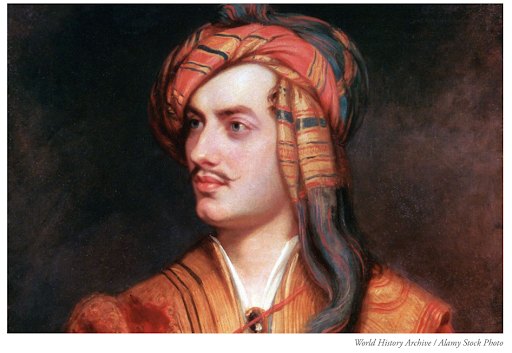
33. ‘She Walks in Beauty’ by Lord Byron with Mark Saunders: "No One Should Tell You How You Should Interpret Poetry!"

Subscribe to The Elixir Poetry Podcast newsletter!

In this episode of Elixir, Helen is talking to Mark Saunders, a writer and broadcaster, about ‘She Walks in Beauty’ by Lord Byron (1788—1824) 


Lord Byron

Topics:

  • Physical & inner beauty

  • Beauty in the world around us

  • How Poetry got Mark into reading books

  • “No one should tell you how you should interpret Shakespeare, any book, or poetry”

  • Classism in the arts

  • Poets are the primary victims in times of oppression - the power of the written word

  • Mark reads the poem again after you’ve heard his context with music set to it

Listen Now

Text of the Poem

She Walks in Beauty by Lord Byron

She walks in beauty, like the night

Of cloudless climes and starry skies;

And all that’s best of dark and bright

Meet in her aspect and her eyes;

Thus mellowed to that tender light

Which heaven to gaudy day denies.


One shade the more, one ray the less,

Had half impaired the nameless grace

Which waves in every raven tress,

Or softly lightens o’er her face;

Where thoughts serenely sweet express,

How pure, how dear their dwelling-place.


And on that cheek, and o’er that brow,

So soft, so calm, yet eloquent,

The smiles that win, the tints that glow,

But tell of days in goodness spent,

A mind at peace with all below,

A heart whose love is innocent!


Copyright Credit: George Gordon, Lord Byron. "She Walks in Beauty" from Hebrew Melodies. London: John Murray, 1832-33. Public Domain.

Source: Hebrew Melodies (John Murray, 1832)

https://www.poetryfoundation.org/poems/43844/she-walks-in-beauty


About Lord Byron

https://www.poetryfoundation.org/poets/lord-byron

https://en.wikipedia.org/wiki/Lord_Byron

She Walks in Beauty by LORD BYRON (read by Tom Hiddleston): https://www.youtube.com/watch?v=aHxY5wygrD8

About Mark Saunders

Mark is a former Writer, former Journalist and Teacher

Take Me To The Episode

32. The Power of Poetry with Russian-Ukrainian Filmmaker Albina Kovalyova. “Poetry Is An Oral Tradition”.

Subscribe to The Elixir Poetry Podcast newsletter!

In this episode of Elixir, Helen is talking to Albina Kovalyova about two of her own poems.

Listen Now

In Dark Waters

In dark waters
The waves come crashing through 
This young love, just born
Into the dark sea at storm.

I roam
Through the world coming through 
The news 
As the narratives get tangled and confused.
Trying to pull them apart 
I lose your hand, held tight.

The calamities of words stream through and
Conjure up the images and ghosts
Of old times and more horror yet to come
They say a million is already gone 
From the destruction of the last few years.

As the memory of your scent and touch fade
I grab hold of the air filled with pocket holes
I cannot hear the music from before
Just the drumbeats of war.

The dream becomes darker.

Shall we continue the dance
In the shadow of the next big wave
Unknowing whether we can be engulfed 
To the point of no return?

There are no lifeboats here.
A black sail appears on the horizon.

And then your eyes find mine.
There’s a glimpse of hope, of strength and of abandon. 
Here is my hand, lost and found again.


Train to somewhere 

What if you were somebody different?

What if the road had been curved

To a different location 

What if we had travelled it both?

If only a moment of transference 

Instead of the spiral to rage

Perhaps then we’d be somewhere different 

The place of arrival would change.

Our train at the platform has split 

One side has two blinking lights

The new destination will glimmer

But the other split carriage is dark. 

The creak of the wheels and the movement

Of going somewhere, yet unknown

And the view from the window’s familiar

I think it’s the train to call home. 

I want to look back at the carriage,

What’s left of the unity that 

Until recently travelled together

But alas, is no longer intact.

We speed up into the sunshine

The passengers here are all ghosts

They look at their phones or at windows

And I’m left in this space on my own.

The pathway is a straight line to somewhere

At some point I ought to get off

And call it arrival and call it deliverance

Breathe out a sigh, and let go.

Albina Kovalyova

About the poet:

Albina Kovalyova

Television Journalist / Director

www.albinakovalyova.com/

Take Me To The Episode

Albina Kovalyova

31. On Raglan Road: Patrick Kavanagh, Irish Poetry, Rural Poverty, Love, and Cultural Communication with Ann

Subscribe to The Elixir Poetry Podcast newsletter!

In this episode of Elixir, Helen is talking to Ann Moroney, who is from Ireland, about the poem ‘On Raglan Road’ by Patrick Kavanagh (1904-1967).

Patrick Kavanagh (1904-1967)

On Raglan Road by Patrick Kavanagh

On Raglan Road on an autumn day I met her first and knew 
That her dark hair would weave a snare that I might one day rue; 
I saw the danger, yet I walked along the enchanted way, 
And I said, let grief be a fallen leaf at the dawning of the day. 

On Grafton Street in November we tripped lightly along the ledge 
Of the deep ravine where can be seen the worth of passion's pledge, 
The Queen of Hearts still making tarts and I not making hay - 
O I loved too much and by such and such is happiness thrown away. 

I gave her gifts of the mind I gave her the secret sign that's known 
To the artists who have known the true gods of sound and stone 
And word and tint. I did not stint for I gave her poems to say. 
With her own name there and her own dark hair like clouds over fields of May 

On a quiet street where old ghosts meet I see her walking now 
Away from me so hurriedly my reason must allow 
That I had wooed not as I should a creature made of clay - 
When the angel woos the clay he'd lose his wings at the dawn of day.


https://allpoetry.com/On-Raglan-Road


About the poet

https://en.wikipedia.org/wiki/Patrick_Kavanagh

https://allpoetry.com/On-Raglan-Road

Luke Kelly Raglan Road: https://www.youtube.com/watch?v=EuafmLvoJow


Sinead O'Connor Raglan Road: https://www.youtube.com/watch?v=T6zqb3gf5aA


‘Timeless lines of love will never cease to move me’ by Mary O'Rourke: https://www.independent.ie/life/timeless-lines-of-love-will-never-cease-to-move-me/36353465.html

Listen now

30. "To Be, Or Not To Be, That Is The Poem". Christopher Hamilton reads Shakespeare

Subscribe to The Elixir Poetry Podcast newsletter!

In this episode of Elixir, Helen is talking to Christopher Hamilton about the soliloquy ‘To be or not to be’ in Hamlet (Act 3, Scene 1) by William Shakespeare (1564 –1616)

The Chandos portrait, likely depicting Shakespeare, c. 1611

Text of the Poem

To be, or not to be, that is the question:

Whether 'tis nobler in the mind to suffer

The slings and arrows of outrageous fortune,

Or to take arms against a sea of troubles

And by opposing end them. To die—to sleep,

No more; and by a sleep to say we end

The heart-ache and the thousand natural shocks

That flesh is heir to: 'tis a consummation

Devoutly to be wish'd. To die, to sleep;

To sleep, perchance to dream—ay, there's the rub:

For in that sleep of death what dreams may come,

When we have shuffled off this mortal coil,

Must give us pause—there's the respect

That makes calamity of so long life.

Listen now

To see Christopher’s credits, skills and training, visit:

https://app.spotlight.com/1893-5616-5921

29. Spring Special: “Why My Dad Loved The Words of John Clare” with Richard

Subscribe to The Elixir Poetry Podcast newsletter!

In this episode of Elixir, Helen is talking to Richard about a section of ‘The Shepherd’s Calendar’, ‘April’ and ‘I am’ by John Clare (1793 - 1864). 

Topics: 

  • John Clare’s keen eye for detail (which got him in fights)

  • Richard’s Dad’s passing: the poem means so much to him since his Dad requested verses of Clare be read at his funeral.

  • The struggle in John Clare’s life: mental health, romance, alcoholism

  • Richard’s Dad and Clare came from the same place.

  • Themes of Spring and the countryside

Listen now

Text of the poems:

The Shepherd’s Calendar – April by John Clare


The seasons beautys all are thine
That visit with the year
Beautys that poets think divine
And all delight to hear
Thy latter days a pleasure brings
That gladden every heart
Pleasures that come like lovley things
But like to shades depart

Thy opend leaves and ripend buds
The cuckoo makes his choice
And shepherds in thy greening woods
First hears the cheering voice
And to thy ripend blooming bowers
The nightingale belongs
And singing to thy parting hours
Keeps night awake with songs

With thee the swallow dares to come
And primes his sutty wings
And urgd to seek their yearly home
Thy suns the Martin brings
And lovley month be leisure mine
Thy yearly mate to be
Tho may day scenes may brighter shine
Their birth belongs to thee

I waked me with thy rising sun
And thy first glorys viewd
And as thy welcome hours begun
Their sunny steps pursued
And now thy sun is on the set
Like to a lovley eve
I view thy parting with regret
And linger loath to leave

Thou lovley april fare thee well
Thou early child of spring
Tho born where storms too often dwell
Thy parents news to bring
Yet what thy parting youth supplys
No other months excell
Thou first for flowers and sunny skyes
Sweet april fare thee well.


https://allpoetry.com/The-Shepherds-Calendar---April


I Am! by John Clare

I am! yet what I am who cares, or knows?

     My friends forsake me like a memory lost. 

I am the self-consumer of my woes, 

     They rise and vanish, an oblivious host, 

Shadows of life, whose very soul is lost.

And yet I am—I live—though I am toss'd 


Into the nothingness of scorn and noise, 

     Into the living sea of waking dream, 

Where there is neither sense of life, nor joys, 

     But the huge shipwreck of my own esteem

And all that's dear. Even those I loved the best 

Are strange—nay, they are stranger than the rest. 


I long for scenes where man has never trod, 

     For scenes where woman never smiled or wept; 

There to abide with my Creator, God, 

     And sleep as I in childhood sweetly slept 

Full of high thoughts, unborn. So let me lie,  

The grass below; above the vaulted sky.


Copyright Credit: John Clare, "I am!" from The Life of John Clare. London: Macmillan and Company, 1865. Public domain. 

Source: The Life of John Clare (Macmillan and Company, 1865)

About the poet:

https://en.wikipedia.org/wiki/John_Clare

https://www.poetryfoundation.org/poets/john-clare

I am! read by Tom Hiddleston

28. The Poem of Cuban Liberation with Raycel (& How Love Took Him Across The World)

Subscribe to The Elixir Poetry Podcast newsletter!

In this episode of Elixir, Helen is talking to Raycel, who is from Cuba, about the poem ‘Yo soy un hombre sincero’ by José Martí (1853-1895) as sung by Pablo Milanés (1942-2022).

Topics of discussion:

  • The political history of ‘Yo soy un hombre sincero’ by José Martí

  • The poverty of life in Cuba (verses e.g. European countries) 

  • Raycel’s love story that took him across the world

Listen now

Text of the poem:


Yo Soy Un Hombre Sincero

Yo soy un hombre sincero
De donde crece la palma
Y antes de morirme quiero
Echar mis versos del alma.


Yo vengo de todas partes
Y hacia todas partes voy
Arte soy entre las artes
Y en los montes, monte soy.


Oculto en mi pecho bravo
La pena que me lo hiere
El hijo de un pueblo esclavo
Vive por él, calla y muere.


Yo he visto al águila herida
Volar al azul sereno
Y morir en su guarida
La víbora del Veneno.


Temblé una vez, en la reja
A la puerta de la viña
Cuando la bárbara abeja
Picó en la frente a mi niña.

Gocé una vez, de tal suerte
Que gocé cual nunca, cuando
La sentencia de mi muerte
Leyó el alcaide llorando.


Mírame, madre, y por tu amor no llores
Si esclavo de mi edad y mis doctrinas
Tu mártir corazón llené de espinas
Piensa que nacen entre espinas flores.


Un verso forjé
Donde crece la luz
¡Y América y el hombre digno sea!


José Martí

https://www.letras.com/pablo-milanes/227189/english.html

Translation of the poem:


I Am a Sincere Man


I am a sincere man
From where the palm tree grows
And before I die I want
To cast my verses from the soul.


I come from all places
And towards all places I go
I am art among the arts
And in the mountains, I am a mountain.


Hidden in my brave chest
The sorrow that wounds it
The son of a slave town
Lives for it, stays silent, and dies.


I have seen the wounded eagle
Fly to the serene blue
And die in its lair
The viper of venom.


I trembled once, at the gate
Of the vineyard
When the barbaric bee
Stung my girl's forehead.


I once rejoiced so much
That I rejoiced like never before, when
The sentence of my death
Was read by the warden.


Look at me, mother, and do not cry for your love
If a slave to my age and my doctrines
I filled your martyr heart with thorns
Think that flowers are born among thorns.


I forged a verse
Where the light grows
And may America and the worthy man be!


José Martí

https://www.letras.com/pablo-milanes/227189/english.html


About José Martí

https://en.wikipedia.org/wiki/José_Martí

https://allpoetry.com/poem/8531743-A-Sincere-Man-Am-I---Verse-I--by-Jose-Marti

https://www.insumisos.com/M4T3R14L/BD/Marti-Jose/Guantanamera.PDF

https://web.seducoahuila.gob.mx/biblioweb/upload/Versos%20sencillos.pdf

About Pablo Milanés

http://www.cubadebate.cu/noticias/2022/11/21/fallece-el-cantautor-cubano-pablo-milanes/

https://en.wikipedia.org/wiki/Pablo_Milanés

https://www.youtube.com/watch?v=WMG25yQa--o

27. Portuguese Poetry and The Spiritual Power of Writing Poetry with Miguel Royo

Subscribe to The Elixir Poetry Podcast newsletter!

In this episode of Elixir, Helen is talking to Miguel Royo about Modern Portuguese Poetry and his own work:


Topics of discussion:

  • Miguel’s inner voice shifting language from Spanish to Portuguese 

  • The spirituality of writing poetry 

  • Elitism in British poetry communities 

  • How poetry should be shared

  • Young people’s misconceptions about poetry

Listen now

Texts of the poems:


Tento recordar: um vigor primário.                       

Miguel Royo


Tento recordar: um vigor

primário ecoa-me pela medula

e renasce na nuca arrepiando-me

o esquecimento e forçando-me a regressar.

Tenho o sangue contaminado pelo tempo. Levo

uma criança coagulada no plexo: no início foi a infância.

Escuto os cascos que me batem contra a cerâmica

interna do corpo. Não sei o que espera

para desimpedir as condutas obstruídas da puberdade

e soltar galope: criança cabra, garraio. Sofro-lhe os chifres

que esfregam precários o mel dos alvéolos

com o fastio de permanecer encerrada.

Tornam-se de âmbar escuro ou de obsidiana.

E bastaria um bramido ou investida entre o tórax

e o pensamento emergente para crescer por dentro e soltar

a criança com chifres pelos corredores capitulados. Levar as patas

preparadas sobre a cabeça como uma crina para o escape.

Porque eu seria a criança fera nessa hipótese.


I try to remember: a primal vigour


I try to remember: a primal vigour

echoes through my marrow

and is reborn in the scruff chilling

my oblivion and forcing me to return.

My blood is contaminated by time. I carry

a clotted child in my plexus: in the beginning was childhood.

I hear the hooves beating against the inner

ceramics of my body. I don’t know what it’s waiting

to clear the clogged ducts of puberty

and break into gallop: goat-child, bullock. I suffer the horns

that precariously rub the honey from the alveoli

with the aversion of remaining enclosed.

They turn black amber or obsidian.

And all it takes is a roar or a thrust between the thorax

and the emerging thought to grow inside and unleash

the horned child into the capitulated corridors. Carrying the pawns

prepared over the head like a mane for escape.

Because I would be the wild child in that hypothesis.


Fountain II

Herberto Helder


II

No sorriso louco das mães batem as leves

gotas de chuva. Nas amadas

caras loucas batem e batem

os dedos amarelos das candeias.

Que balouçam. Que são puras.

Gotas e candeias puras. E as mães

Aproximam-se soprando os dedos frios.

Seu corpo move-se

pelo meio dos ossos filiais, pelos tendões

e órgãos mergulhados,

e as calmas mães intrínsecas sentam-se

nas cabeças filiais.

Sentam-se, e estão ali num silêncio demorado e apressado,

vendo tudo,

e queimando as imagens, alimentando as imagens,

enquanto o amor é cada vez mais forte.

E bate-lhes nas caras, o amor leve.

O amor feroz.

E as mães são cada vez mais belas.

Pensam os filhos que elas levitam.

Flores violentas batem nas suas pálpebras.

Elas respiram ao alto e em baixo. São

silenciosas.

E a sua cara está no meio das gotas particulares

da chuva, em volta das candeias. No contínuo

escorrer dos filhos.

As mães são as mais altas coisas

que os filhos criam, porque se colocam

na combustão dos filhos, porque

os filhos estão como invasores dentes-de-leão

no terreno das mães.

E as mães são poços de petróleo nas palavras dos filhos,

e atiram-se, através deles, como jactos

para fora da terra.

E os filhos mergulham em escafandros no interior

de muitas águas,

e trazem as mães como polvos embrulhados nas mãos

e na agudeza de toda a sua vida.

E o filho senta-se com a sua mãe à cabeceira da mesa,

e através dele a mãe mexe aqui e ali,

nas chávenas e nos garfos.

E através da mãe o filho pensa

que nenhuma morte é possível e as águas

estão ligadas entre si

por meio da mão dele que toca a cara louca

da mãe que toca a mão pressentida do filho.

E por dentro do amor, até somente ser possível

amar tudo,

e ser possível tudo ser reencontrado por dentro do amor.


poesia toda

assírio & alvim

1996


Fountain II

Herberto Helder


On the mother's mad smiles the raindrops

patter down. On their beloved

mad faces the lanterns tap

their yellow fingers.

Swaying. Pure.

Pure raindrops and lanterns. And the mothers

draw near, blowing on their cold fingers,

moving their bodies

through filial bones, tendons,

submerged organs.

And the intrinsic mothers calmly sit down

inside filial heads.

They sit there in slow and urgent silence,

seeing everything

and burning the images, fuelling the images,

while love keeps getting stronger.

Showering them in the face. Tender love.

Fierce love.

And the mothers are ever more beautiful.

Think the sons whom the mothers levitate.

Violent flowers strike their eyelids.

Above and below they breathe

in silence,

theirs faces gleaming in the spray

of raindrops,

around the lanterns. In the continuous

pouring down of sons.

Mothers are the loftiest things

created by sons, since they dwell

in their sons' deflagration, since

sons are like dandelion invaders

in their mothers' terrain.

And mothers are oil wells in the speech of their sons,

spurting through them

from out of the earth.

And the sons dive, in rubber suits, into the depths

of myriad waters

with the mothers wrapped like octopi around their hands

and around their tenderest nerves.

And the son sits with his mother at the head of the table.

Through him the mother fiddles

with the teacups and the forks,

and through her he thinks

no death is possible, and the waters

are connected

through his hand touching the mad face

of his mother who can sense his touch

and through love, in love, until it's only possible

to love everything

and it's possible to rediscover everything through love.


© Translation: 2002, Assírio & Alvim

Translated by Richard Zenith

From: Sights from the South 1, 2002


Retrato

Luis Miguel Nava


A pele era o que de mais solitário havia no seu corpo.

Há quem, tendo-a metida

num cofre até às mais fundas raízes,

simule não ter pele, quando

de facto ela não está

senão um pouco atrasada em relação ao coração.

Com ele porém não era assim.

A pele ia imitando o céu como podia.

Pequena, solitária, era uma pele metida

consigo mesma e que servia

de poço, onde além de água ele procurara protecção.


Portrait

Luís Miguel Nava


Skin was the loneliest part of his body.

There are those who, having locked it

in a chest as deep as the deepest roots,

pretend to not have skin, when

in fact it is but a bit behind in relation to the heart.

With him however it wasn’t like that.

His skin would imitate the sky as best it could.

Small, alone, it was a shy,

a timid skin, which served as a well,

wherein, more than water, he would seek protection.


Translation by Alexis Levitin and Ricardo Vasconcelos


Do Inexplicável

Daniel Faria


Como reporás a terra arrastada

Para a boca?

Foges e foges

E repousas à sombra da velocidade.

E ao extinguires-te dizes

Tudo

O que podia ser dito

Sobre a luz.


Of The Inexplicable

Daniel Faria


How will you replace earth dragged

Towards the mouth?

You run and run

And rest under the shade of speed.

And as you extinguish yourself, you say

Everything

That could have been said

About light.


Translation by João-Maria, on Caliath blog

Há algo que suspeito: a morte é

Miguel Royo


Há algo que suspeito: a morte é

mais um ponto no útero do tempo. Coordenada

que se alastra nas artérias de Deus. Uma brecha

por onde cabe a mínima ave branca. A pedra muda

ou trepadeira no nosso plexo translúcido.

E confunde-se a origem da luz.

Não sabemos se é o reverso da sombra. Apenas

que o coração está à vista e baloiça sobre as costelas

como Cristo, o funâmbulo. Que o sangue se torna ruidoso

escavado no vazio escuro e o mistério introduz dois dedos

obcecados com a linha do horizonte.

Ignorando os sinais que proíbem a revelação.

Do lado inverso da revelação não há nada

a não ser um vazio onde cabem todas as coisas: os ossos,

a merda, o tempo, o hálito desde dentro. Não há distinção

entre um crucifixo e o pássaro abatido no zénite

do seu voo. Somente o pio que se lhe ouve

do outro lado da fissura ou uma pena que esvoaça

antes de embater contra a chapa da balança.

Por isso apago a luz e apalpo no escuro: sei que é na sombra

que está camuflada a figura de Deus. Nesse território de rostos

ao contrário e ruído gaussiano um vulto ganha relevo

ignorando os sinais que proíbem a revelação.


There’s something I suspect: death is

Miguel Royo


There’s something I suspect: death is

just another stitch in the womb of time. A coordinate

that spreads through God’s arteries. A gap

through which the minimal white bird can fit. The mute stone

or creeper in our translucent plexus.

And the origin of light is confused.

We don’t know if it’s the reverse of the shadow. Only

that the heart is visible and it swings on the ribcage

like Christ, the funambulist. That blood becomes loud

excavated in the dark hollowness and mystery inserts two fingers

obsessed with the horizon line.

Ignoring the signs that forbid revelation.

On the reverse side there is nothing

but a void where all things fit: bones,

shit, time, breath from within. There is no distinction

between a crucifix and the bird shot down at the zenith

of its flight. Only the chirp you hear

on the other side of the fissure or a feather that flutters

before hitting the balance plate.

That’s why I switch the light and grope in the dark: I know that

it is in the shadows that God’s figure is camouflaged. In this territory of

upside-down faces and Gaussian noise a shape gains prominence

ignoring the signs that forbid revelation.


About Miguel Royo

Miguel Royo was born in Spain in 1993 and, after a brief stay in Brussels during his childhood, settled in Porto. He studied architecture at the University of Porto. His academic training was marked by parallel interests in cinema and literature, which converged in his final master's dissertation on Tarkovsky's film ‘Stalker’. He collaborates with poetry magazines and websites, such as ‘Caliban’, ‘Enfermaria 6’, ‘Revista Lote’. He has made two short films to date: ‘ÍPSILON’ (2014) and ‘Sueño Ivre In The Red Haus’ (2019). His first book of poetry, ‘Na Pedra a Luz Afia o Gume’ (In the Stone the Light Sharpens the Edge), is from 2021.

https://www.enfermaria6.com/miguel-ezcurdia-royo

https://www.enfermaria6.com/blog/2018/5/30/d81inly4iogfty36p3hi5qc12aqm2t

https://revistacaliban.net/depois-do-amor-a-quarentena-1a15677028e8

https://revistacaliban.net/instruções-para-iniciar-o-dia-6de7e6fc6629

26. Vietnamese American Poet Ocean Vuong: The Pain & Joy In Making Art with Actor Chris Kelham

Subscribe to The Elixir Poetry Podcast newsletter!

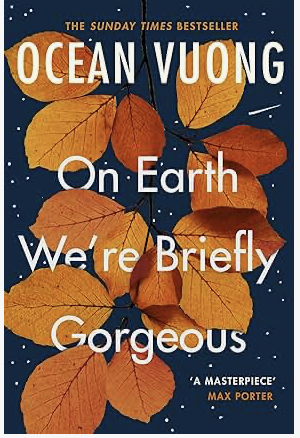
In this episode of Elixir, Helen is talking to Chris Kelham about the poem ‘Ars Poetica as The Maker’ by Ocean Vuong 

Topics of discussion:

  • The pain and joy in making art - a challenge to God 

  • How human creativity beats AI

  • The emotional depth of Chinese drama students compared to Western students

  • “Everyone is in exile in their own skin and strives for contact and connection.” 

Listen now

Text of the poem:


Ars Poetica as The Maker

‘And God saw the light and it was good’ Genesis 1:4


Because the butterfly’s yellow wing

flickering in black mud

was a word

stranded by its language.

Because no one else

was coming — & I ran

out of reasons.

So I gathered fistfuls

of  ash, dark as ink,

hammered them

into marrow, into

a skull thick

enough to keep

the gentle curse

of  dreams. Yes, I aimed

for mercy — 

but came only close

as building a cage

around the heart. Shutters

over the eyes. Yes,

I gave it hands

despite knowing

that to stretch that clay slab

into five blades of light,

I would go

too far. Because I, too,

       needed a place

to hold me. So I dipped

my fingers back

into the fire, pried open

     the lower face

until the wound widened

into a throat,

until every leaf shook silver

with that god

-awful scream

& I was done.

& it was human.


Source: Poetry (July/August 2017) published as ‘Essay on Craft’

https://www.poetryfoundation.org/poetrymagazine/poems/142852/essay-on-craft

About the poet:

https://en.wikipedia.org/wiki/Ocean_Vuong

https://www.poetryfoundation.org/poetrymagazine/poems/142852/essay-on-craft

https://thesciencesurvey.com/arts-entertainment/2022/07/21/the-themes-we-hold-close-in-ocean-vuongs-time-is-a-mother/

https://www.poetryfoundation.org/articles/157878/nothing-to-hide-under-all-this-sun

If you’d like to support The Elixir Poetry Podcast, you are very welcome to buy Helen a coffee :)

About Chris Kelham: 

25. African Literature, Language, and Cultural Identity with Silindiwe from Zimbabwe

Subscribe to The Elixir Poetry Podcast newsletter!

In this episode of Elixir, Helen is talking to Silindiwe, who is from Zimbabwe, about the Birthday Song she wrote in Ndebele for her son, Mbulelo, when he was born. 

Topics of discussion:

  • The languages in Zimbabwe

  • English is considered the language of the elite in post-colonial Zimbabwe

  • Spreading awareness of African literature

  • Silindiwe: an ambassador for African literature 

  • Things Fall Apart by Chinua Achebe

  • The politics of cultural identity in Africa

  • What the hell a kind of name is Jack?

  • The power of music to bridge linguistic, cultural and racial boundaries. 

  • The Beautiful Ones Are Not Yet Born - Ayi Kwei Armah

Listen now

Text of the Birthday Song in Ndebele:

Siyathaba

Uzelwe 

Ngalemini enhle

Silenhlanhla uzelwe

Usilethe uthando

Khula Mbulelo 

Uguge Mbulelo 

Ubelempilo 

Enhle

Ende


Translation of the Birthday Song:

We are overjoyed 

That you were born on this glorious day

We are blessed and lucky

You have brought love into our lives 

Grow Mbulelo 

Grow old Mbulelo

And have a long and beautiful life


Silindiwe’s African Literature Recommendations:

The Beautyful Ones Are Not Yet Born is the debut novel by Ghanaian writer Ayi Kwei Armah - Further info

http://www.socialiststories.com/en/writers/Sembene-Ousmane/

https://apersonalanthology.com/2019/09/06/black-girl-by-ousmane-sembene/

http://www.bookshybooks.com/2017/04/20-short-story-collections-by-african.html


If you’d like to support The Elixir Poetry Podcast, you are very welcome to buy Helen a coffee :)

24. Parental Love vs Romantic Love & Why We Need the Arts in Schools! Rozâ Reads Her Own Poems

Subscribe to The Elixir Poetry Podcast newsletter!

In this episode of Elixir, Helen is talking to Rozâ about two of her own poems ‘Mother’ & ‘My grandfather’s socks’

Topics of discussion:

  • Parental vs Romantic Love

  • Teaching Music

  • Motivating children with creative projects

  • The way creative teachers wish they could teach children

  • The importance of the arts in schooling

  • The vital importance of practising writing

Listen now

My grandfather’s socks 


Although my grandfather died two years before I was born, 

I feel as if I know him by the things he forgot. 


I am the things he left behind in this world before he went 

to, well, wherever it is he went. 


I know him by my name, my Latvian, mysteriously spelled 

and wrongly pronounced name. 

Thank you for all the conversation starters with all the Smiths 

and Smythes of the world. 

I love to see their names squirm when they read mine. 


I know him by my bushy eyebrows that furrow 

in that way only a brooding Eastern European’s would, 

telling the world around me my deepest and darkest secrets. 


I know him from my teeth that sit in my mouth 

like an assembly of unruly children. 

I have your wife’s sweet mouth 

but I also have your tremendous teeth. 

You must have been very wise to have such teeth 

as those rearranging my jaw to fit in. 


I know him by the feel of my tongue, sitting wrongly in my mouth. 

Every time I slip up on a word I know it’s because my big, Latvian 

tongue won’t fit in my tiny English mouth 

and is too slow for my huge Italian voice. 


I know him by the tear in the corner of my Nonna’s eye 

each and every time she talks about you, 

and I know from it that you must have been as handsome 

as you were hers. I know you because 

she’ll never love another. 


I know him through my mother’s stories. 

I can even feel her cheek still stinging 40 years after 

you slapped her round the face with your huge, 

soapy, washing-up-gloved hands. 


I know him by the features in my brother’s face 

that tell the world that he’s not from around here 

though he was born in Homerton hospital like the rest of ya. 


But most of all I know you by my feet. 

Though you left me your name, face and memories, 

the thing that brings me closest to you are my feet: 

my cold, cold feet which cannot warm up 

without your old grey socks that your daughter 

gave me years ago when she realised I had your malady. 


And so, I sit here on the edge of my bed 

in another part of the world, 

a 24 year old, English speaking woman, 

unburdened by the hardships of war and refuge. 


And I am my grandfather, her Baba, his Nonno, 

her eternal fancy man, because I will always 

have your feet and I will always know you.


Mother 

Mother, like a god

Do you see me all at once?

From birth to the earth?

From womb to my tomb? 


How many times have you seen me born?

How many times will you see me die?

How did you watch all the boundless possibilities of pain and suffering 

And let us go forth as suckling babes into it?


Do you remember our first steps?

Did you see our first fall?

Do you look down on your creation?

Do you judge our choices?

Do you watch us fail and hope that we’ll find the right way again?


Do you see our faith and smile?

Do you hurt when we cry?

Do you hear our prayers and listen?

Do you know our wishes and grant them?

Do you know our wants and give all you possibly have to give?


Did you see that we would change?

Did you know that we would grow?

Did you know in your breast

That when evolution brought forth suckling 

It brought forth nurturing too?


On that first Mother’s Day, 

At the dawn of mammals 

the day that love was invented.


The people behind Rozâ’s poems:

Rozâ’s maternal grandfather Arvids

Some of the paperwork from when Arvids was seeking asylum in Germany

Maternal grandparents Arvids and Maria Rosa (Nonno and Nonna)

Paternal grandmother Paddy

If you’d like to support The Elixir Poetry Podcast, you are very welcome to buy Helen a coffee :)

22. Liberté: "Take The Brave Step By Putting Your Thoughts Into Writing" with Quitterie

In this episode of Elixir, Helen is talking to Quitterie about the poem ‘Liberté’ by Paul Éluard (1895-1952).

Listen now

https://literatuurmuseum.nl/nl/overzichten/activiteitententoonstellingen/pantheon/hendrik-marsman

Text of the poem:

Liberté 

Sur mes cahiers d’écolier 

Sur mon pupitre et les arbres 

Sur le sable sur la neige 

J’écris ton nom 

Sur toutes les pages lues
Sur toutes les pages blanches 

Pierre sang papier ou cendre 

J’écris ton nom 

Sur les images dorées
Sur les armes des guerriers 

Sur la couronne des rois 

J’écris ton nom 

Sur la jungle et le désert 

Sur les nids sur les genêts 

Sur l’écho de mon enfance 

J’écris ton nom 

Sur les merveilles des nuits 

Sur le pain blanc des journées 

Sur les saisons fiancées 

J’écris ton nom 

Sur tous mes chiffons d’azur 

Sur l’étang soleil moisi
Sur le lac lune vivante 

J’écris ton nom 

Sur les champs sur l’horizon 

Sur les ailes des oiseaux
Et sur le moulin des ombres 

J’écris ton nom 

Sur chaque bouffée d’aurore 

Sur la mer sur les bateaux 

Sur la montagne démente 

J’écris ton nom 

Sur la mousse des nuages 

Sur les sueurs de l’orage 

Sur la pluie épaisse et fade 

J’écris ton nom 

Sur les formes scintillantes 

Sur les cloches des couleurs 

Sur la vérité physique 

J’écris ton nom 

Sur les sentiers éveillés
Sur les routes déployées 

Sur les places qui débordent 

J’écris ton nom 

Sur la lampe qui s’allume 

Sur la lampe qui s’éteint 

Sur mes maisons réunies 

J’écris ton nom 

Sur le fruit coupé en deux 

Du miroir et de ma chambre 

Sur mon lit coquille vide 

J’écris ton nom 

Sur mon chien gourmand et tendre 

Sur ses oreilles dressées
Sur sa patte maladroite
J’écris ton nom 

Sur le tremplin de ma porte 

Sur les objets familiers
Sur le flot du feu béni 

J’écris ton nom 

Sur toute chair accordée 

Sur le front de mes amis 

Sur chaque main qui se tend 

J’écris ton nom 

Sur la vitre des surprises 

Sur les lèvres attentives 

Bien au-dessus du silence 

J’écris ton nom 

Sur mes refuges détruits 

Sur mes phares écroulés 

Sur les murs de mon ennui 

J’écris ton nom 

Sur l’absence sans désir 

Sur la solitude nue
Sur les marches de la mort 

J’écris ton nom 

Sur la santé revenue 

Sur le risque disparu 

Sur l’espoir sans souvenir 

J’écris ton nom 

Et par le pouvoir d’un mot 

Je recommence ma vie
Je suis né pour te connaître 

Pour te nommer 

Liberté. 

Paul Éluard 

Poésie et vérité 1942 (recueil clandestin)
Au rendez-vous allemand (1945, Les Editions de Minuit)

Translation of the poem:

Liberté 

On my school notebooks
On my desk and on the trees
On the sands of snow
I write your name

On the pages I have read
On all the white pages
Stone, blood, paper or ash
I write your name

On the images of gold
On the weapons of the warriors
On the crown of the king
I write your name

On the jungle and the desert
On the nest and on the brier
On the echo of my childhood
I write your name

On all my scarves of blue
On the moist sunlit swamps
On the living lake of moonlight
I write your name 

On the fields, on the horizon
On the birds’ wings
And on the mill of shadows
I write your name

On each whiff of daybreak
On the sea, on the boats
On the demented mountaintop
I write your name

On the froth of the cloud
On the sweat of the storm
On the dense rain and the flat
I write your name

On the flickering figures
On the bells of colors
On the natural truth
I write your name

On the high paths
On the deployed routes
On the crowd-thronged square
I write your name

On the lamp which is lit
On the lamp which isn’t
On my reunited thoughts
I write your name

On a fruit cut in two
Of my mirror and my chamber
On my bed, an empty shell
I write your name

On my dog, greathearted and greedy
On his pricked-up ears
On his blundering paws
I write your name

On the latch of my door
On those familiar objects
On the torrents of a good fire
I write your name

On the harmony of the flesh
On the faces of my friends
On each outstretched hand
I write your name 

On the window of surprises
On a pair of expectant lips
In a state far deeper than silence
I write your name

On my crumbled hiding-places
On my sunken lighthouses
On my walls and my ennui
I write your name

On abstraction without desire
On naked solitude
On the marches of death
I write your name

And for the want of a word
I renew my life
For I was born to know you
To name you

Liberty.

Paul Éluard

All rights reserved, © Carla Yasmine Atwi. Copying without permission for non-personal use is forbidden. © by owner. provided at no charge for educational purposes.

About the poet:

https://en.wikipedia.org/wiki/Paul_Éluard

https://www.youtube.com/watch?v=PyFnoRrh6Lk    -

Paul Eluard : "Liberté" (dit par l'auteur)

https://en.wikipedia.org/wiki/Liberté_(poem)

If you’d like to support The Elixir Poetry Podcast, you are very welcome to buy Helen a coffee :)

21. "The Netherlands' Favourite Poem!" Nelleke reads Hendrik Marsman's ‘Memories of Holland’

In this episode of Elixir, Helen is talking to Nelleke about a Dutch poem called ‘Memories of Holland’ by Hendrik Marsman

Listen now

https://literatuurmuseum.nl/nl/overzichten/activiteitententoonstellingen/pantheon/hendrik-marsman

Text of the poem:

Herinnering aan Holland 

Denkend aan Holland 

zie ik breede rivieren 

traag door oneindig 

laagland gaan, 

rijen ondenkbaar
ijle populieren
als hooge pluimen 

aan den einder staan; 

en in de geweldige 

ruimte verzonken 

de boerderijen
verspreid door het land, 

boomgroepen, dorpen, 

geknotte torens,
kerken en olmen
in een grootsch verband.
de lucht hangt er laag
en de zon wordt er langzaam 

in grijze veelkleurige 

dampen gesmoord,
en in alle gewesten
wordt de stem van het water 

met zijn eeuwige rampen 

gevreesd en gehoord. 


Translation of the poem: 


Memories of Holland


Thinking of Holland
I see broad rivers
slowly chuntering
through endless lowlands, 

rows of implausibly 

airy poplars
standing like tall plumes 

against the horizon;
and sunk in the unbounded 

vastness of space 

homesteads and boweries 

dotted across the land, 

copses, villages,
couchant towers,
churches and elm-trees, 

bound in one great unity. 

There the sky hangs low, 

and steadily the sun
is smothered in a greyly 

iridescent smirr,
and in every province
the voice of water
with its lapping disasters
is feared and hearkened. 


from Verzamelde Gedichten (Amsterdam: Em. Querido’s Uitgevers-Maatschappij, 1941) translated by Iain Bamforth 


https://www.scottishpoetrylibrary.org.uk/poem/memories-holland/


About the poet:

https://en.wikipedia.org/wiki/Hendrik_Marsman

https://www.worldliteraturetoday.org/author/hendrik-marsman

If you’d like to support The Elixir Poetry Podcast, you are very welcome to buy Helen a coffee :)

20. Lily Reads ‘The Lovesong of J. Alfred Prufrock’ by T.S. Eliot

In this episode of Elixir, Helen is talking to Lily about ‘The Lovesong of J. Alfred Prufrock’ by T.S. Eliot

Listen now

Eliot in 1934

By Thomas Stearns Eliot with his sister and his cousin by Lady Ottoline Morrell.jpg: Lady Ottoline Morrell (1873–1938) derivative work: Octave. H - Thomas Stearns Eliot with his sister and his cousin by Lady Ottoline Morrell.jpg, Public Domain, https://commons.wikimedia.org/w/index.php?curid=7748785

Text of the poem:

The Love Song of J. Alfred Prufrock

by T.S. Eliot

S’io credesse che mia risposta fosse

A persona che mai tornasse al mondo,

Questa fiamma staria senza piu scosse.

Ma percioche giammai di questo fondo

Non torno vivo alcun, s’i’odo il vero,

Senza tema d’infamia ti rispondo.Let us go then, you and I,

When the evening is spread out against the sky

Like a patient etherized upon a table;

Let us go, through certain half-deserted streets,

The muttering retreats

Of restless nights in one-night cheap hotels

And sawdust restaurants with oyster-shells:

Streets that follow like a tedious argument

Of insidious intent

To lead you to an overwhelming question ...

Oh, do not ask, “What is it?”

Let us go and make our visit.


In the room the women come and go

Talking of Michelangelo.


The yellow fog that rubs its back upon the window-panes,

The yellow smoke that rubs its muzzle on the window-panes,

Licked its tongue into the corners of the evening,

Lingered upon the pools that stand in drains,

Let fall upon its back the soot that falls from chimneys,

Slipped by the terrace, made a sudden leap,

And seeing that it was a soft October night,

Curled once about the house, and fell asleep.


And indeed there will be time

For the yellow smoke that slides along the street,

Rubbing its back upon the window-panes;

There will be time, there will be time

To prepare a face to meet the faces that you meet;

There will be time to murder and create,

And time for all the works and days of hands

That lift and drop a question on your plate;

Time for you and time for me,

And time yet for a hundred indecisions,

And for a hundred visions and revisions,

Before the taking of a toast and tea.


In the room the women come and go

Talking of Michelangelo.


And indeed there will be time

To wonder, “Do I dare?” and, “Do I dare?”

Time to turn back and descend the stair,

With a bald spot in the middle of my hair —

(They will say: “How his hair is growing thin!”)

My morning coat, my collar mounting firmly to the chin,

My necktie rich and modest, but asserted by a simple pin —

(They will say: “But how his arms and legs are thin!”)

Do I dare

Disturb the universe?

In a minute there is time

For decisions and revisions which a minute will reverse.


For I have known them all already, known them all:

Have known the evenings, mornings, afternoons,

I have measured out my life with coffee spoons;

I know the voices dying with a dying fall

Beneath the music from a farther room.

               So how should I presume?


And I have known the eyes already, known them all—

The eyes that fix you in a formulated phrase,

And when I am formulated, sprawling on a pin,

When I am pinned and wriggling on the wall,

Then how should I begin

To spit out all the butt-ends of my days and ways?

               And how should I presume?


And I have known the arms already, known them all—

Arms that are braceleted and white and bare

(But in the lamplight, downed with light brown hair!)

Is it perfume from a dress

That makes me so digress?

Arms that lie along a table, or wrap about a shawl.

               And should I then presume?

               And how should I begin?


Shall I say, I have gone at dusk through narrow streets

And watched the smoke that rises from the pipes

Of lonely men in shirt-sleeves, leaning out of windows? ...


I should have been a pair of ragged claws

Scuttling across the floors of silent seas.


And the afternoon, the evening, sleeps so peacefully!

Smoothed by long fingers,

Asleep ... tired ... or it malingers,

Stretched on the floor, here beside you and me.

Should I, after tea and cakes and ices,

Have the strength to force the moment to its crisis?

But though I have wept and fasted, wept and prayed,

Though I have seen my head (grown slightly bald) brought in upon a platter,

I am no prophet — and here’s no great matter;

I have seen the moment of my greatness flicker,

And I have seen the eternal Footman hold my coat, and snicker,

And in short, I was afraid.


And would it have been worth it, after all,

After the cups, the marmalade, the tea,

Among the porcelain, among some talk of you and me,

Would it have been worth while,

To have bitten off the matter with a smile,

To have squeezed the universe into a ball

To roll it towards some overwhelming question,

To say: “I am Lazarus, come from the dead,

Come back to tell you all, I shall tell you all”—

If one, settling a pillow by her head

               Should say: “That is not what I meant at all;

               That is not it, at all.”


And would it have been worth it, after all,

Would it have been worth while,

After the sunsets and the dooryards and the sprinkled streets,

After the novels, after the teacups, after the skirts that trail along the floor—

And this, and so much more?—

It is impossible to say just what I mean!

But as if a magic lantern threw the nerves in patterns on a screen:

Would it have been worth while

If one, settling a pillow or throwing off a shawl,

And turning toward the window, should say:

               “That is not it at all,

               That is not what I meant, at all.”


No! I am not Prince Hamlet, nor was meant to be;

Am an attendant lord, one that will do

To swell a progress, start a scene or two,

Advise the prince; no doubt, an easy tool,

Deferential, glad to be of use,

Politic, cautious, and meticulous;

Full of high sentence, but a bit obtuse;

At times, indeed, almost ridiculous—

Almost, at times, the Fool.


I grow old ... I grow old ...

I shall wear the bottoms of my trousers rolled.


Shall I part my hair behind?   Do I dare to eat a peach?

I shall wear white flannel trousers, and walk upon the beach.

I have heard the mermaids singing, each to each.


I do not think that they will sing to me.


I have seen them riding seaward on the waves

Combing the white hair of the waves blown back

When the wind blows the water white and black.

We have lingered in the chambers of the sea

By sea-girls wreathed with seaweed red and brown

Till human voices wake us, and we drown.


Source: Collected Poems 1909-1962 (1963)

https://www.poetryfoundation.org/poetrymagazine/poems/44212/the-love-song-of-j-alfred-prufrock


About the poet:

https://en.wikipedia.org/wiki/T._S._Eliot

https://en.wikipedia.org/wiki/The_Love_Song_of_J._Alfred_Prufrock

https://www.poetryfoundation.org/poetrymagazine/poems/44212/the-love-song-of-j-alfred-prufrock

If you’d like to support The Elixir Poetry Podcast, you are very welcome to buy Helen a coffee :)